Choosing the Right Windscreen Glass for Your Vehicle in Caboolture
A chipped or cracked windscreen rarely happens at a convenient time. One stray stone on the Bruce Highway or a bit of debris kicked up by a tradie’s ute can leave you staring at a fracture that keeps spreading across the glass. When the damage reaches that point, drivers often start searching for a windscreen replacement in Caboolture and quickly realise they have more choices than expected.
Not all windscreens are identical. Different glass types, manufacturing standards and installation methods can influence visibility, safety and long-term durability. Understanding the available car glass replacement options helps vehicle owners make smarter decisions before booking a replacement.
Let’s take a closer look at the factors that matter most when choosing a new windscreen.
The Role Your Windscreen Plays in Vehicle Safety
Many drivers see the windscreen as a barrier against wind, rain and insects. In reality, it plays a far bigger role in the structure of a vehicle.
Modern windscreens are made from laminated safety glass, which consists of two layers of glass bonded with a plastic interlayer. This construction allows the windscreen to absorb impact while preventing dangerous shards from flying into the cabin.
Beyond simple visibility, a properly installed windscreen supports several safety functions:
- Structural strength – the windscreen contributes to roof support during a rollover
- Airbag deployment – passenger airbags often rely on the windscreen as a brace when inflating
- Driver visibility – high-quality glass prevents distortion and glare
- Weather sealing – correct bonding prevents water leaks and wind noise
If the glass fails during an accident, these systems may not perform as intended. That’s why the quality of the windscreen itself matters just as much as the installation.
Understanding Your Car Glass Replacement Options
Drivers looking for a windscreen replacement in Caboolture often discover two primary categories of windscreen available on the market. Each option serves a purpose, though they differ in manufacturing standards, pricing and compatibility with modern vehicles. The two main car glass replacement options are:
- OEM windscreens
- Aftermarket windscreens
Both types can meet safety requirements when produced correctly, yet they deliver different levels of consistency and vehicle compatibility.
Before choosing between them, it helps to understand how each type is manufactured.
OEM Windscreen Glass – Built to Match Your Vehicle
OEM stands for Original Equipment Manufacturer. This refers to windscreens produced by the same supplier that manufactured the glass installed when the vehicle left the factory.
OEM windscreens match the original specifications of the vehicle, including curvature, thickness and mounting points for sensors or cameras.
Key advantages of OEM glass include:
- Exact fit designed for the vehicle model
- Consistent optical clarity across the entire surface
- Compatibility with driver assistance technology
- High manufacturing quality control
Vehicles with advanced driver assistance systems rely heavily on windscreen-mounted sensors. Lane departure warnings, automatic emergency braking cameras and rain sensors often sit behind the glass. Even small variations in thickness or angle can affect how these systems operate.
The primary drawback of OEM windscreens is cost. They typically carry a higher price due to manufacturing standards and brand association. Availability can also vary for older or imported vehicles.
Aftermarket Windscreens – A Popular Alternative
Aftermarket windscreens come from third-party manufacturers rather than the original supplier. Many reputable manufacturers produce glass that meets safety regulations and performs well in everyday driving.
For many motorists, aftermarket glass provides a practical option when replacing damaged windscreens. The benefits of these windscreens include:
- Lower overall replacement cost
- Greater availability for older vehicles
- Fast supply through automotive glass distributors
However, the quality of aftermarket glass can vary depending on the manufacturer. Lower-grade products sometimes introduce minor issues such as:
- subtle optical distortion
- slight variations in thickness
- alignment challenges during installation
For vehicles without advanced electronics integrated into the windscreen, these differences may not cause problems. Newer vehicles with ADAS technology often require stricter precision.
Safety Standards Every Windscreen Must Meet
Australia has strict regulations for automotive glass. Windscreens must comply with Australian Design Rules and AS/NZS safety standards before they can be legally installed in a vehicle. These regulations cover:
- laminated glass construction
- impact resistance
- optical clarity
- proper marking and identification codes
When installed correctly, compliant windscreens provide the structural support and safety performance expected during collisions.
Professional installers also use specialised adhesives designed to cure under controlled conditions. This bonding process forms part of the vehicle’s structural integrity.
A poorly installed windscreen or inferior adhesive can weaken the bond between glass and frame. Over time this may lead to leaks, vibration or compromised crash performance.
The Hidden Risks of Non-Compliant Glass
Low-cost glass sometimes appears online or through unverified suppliers. While the price may look appealing, these products can introduce risks that many drivers overlook.
Non-compliant windscreens may lack proper certification or manufacturing oversight. Problems can arise in several ways. Potential risks include:
- Reduced crash protection – weaker laminated layers can fail during impact
- Incorrect airbag support – airbags rely on the windscreen to brace inflation
- Visibility distortion – poor manufacturing can create waves or glare in the glass
- Bonding failure – inferior materials may separate from the frame
Insurance complications also appear in certain situations. If a vehicle receives a replacement windscreen that fails to meet Australian standards, insurers may question the repair when assessing accident damage.
That can create delays during claims or raise questions about the integrity of the repair work. Choosing certified glass protects both the vehicle and the driver from these potential issues.
Windscreens & Modern Driver Assistance Technology
Vehicle technology has evolved rapidly over the past decade. Many cars now feature driver assistance systems that rely on cameras and sensors mounted near the windscreen – some examples include:
- lane departure warning systems
- forward collision detection cameras
- automatic rain sensors
- adaptive cruise control cameras
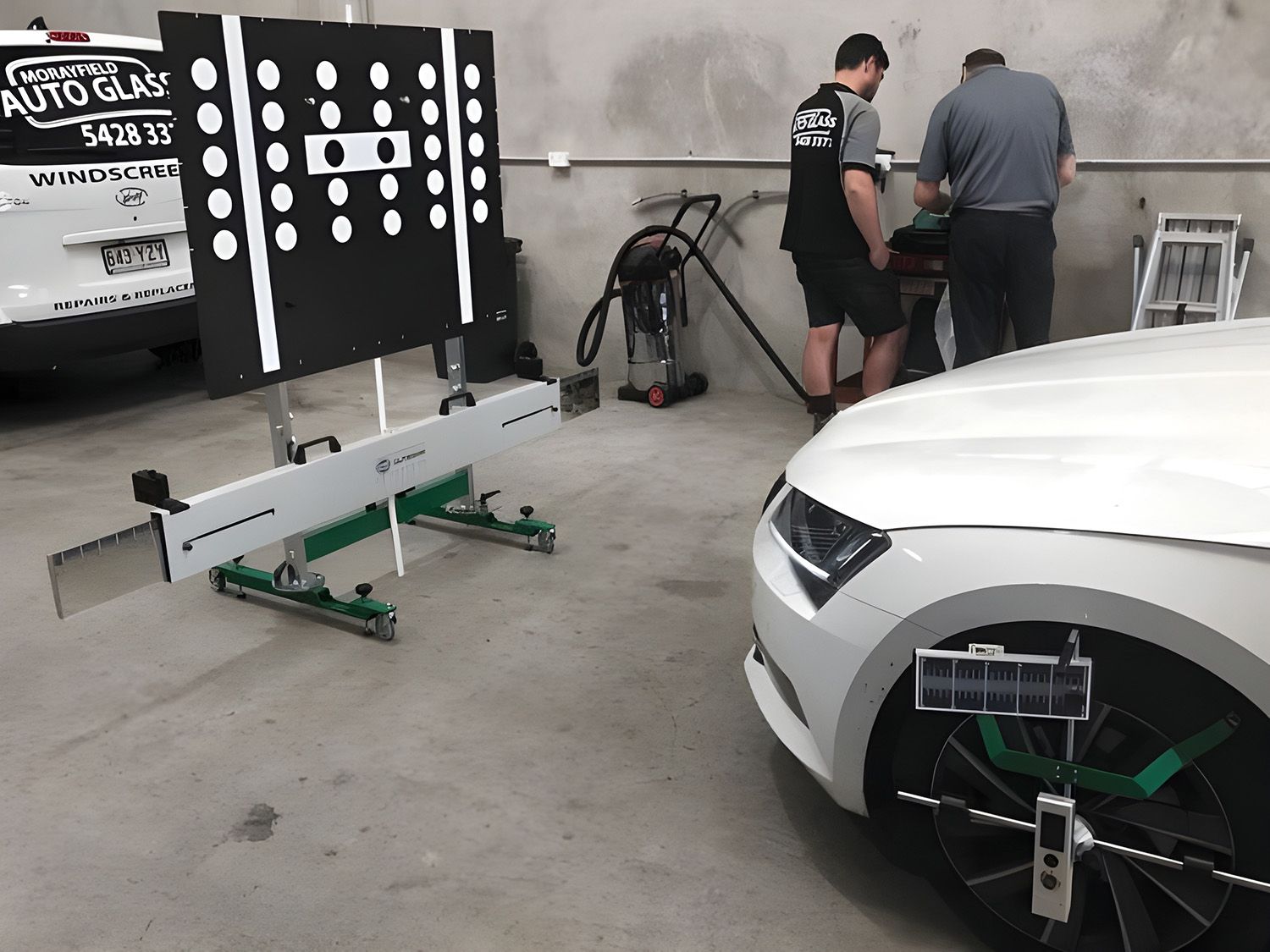
When replacing the windscreen, technicians often need to recalibrate these systems. Calibration aligns the cameras with the vehicle’s geometry so they interpret road conditions accurately.
Incorrect glass thickness or positioning can interfere with these sensors. In extreme cases, the system may produce incorrect readings or disable itself entirely. This is another reason why many modern vehicles benefit from glass manufactured to precise specifications.
When Replacement Becomes the Safest Choice
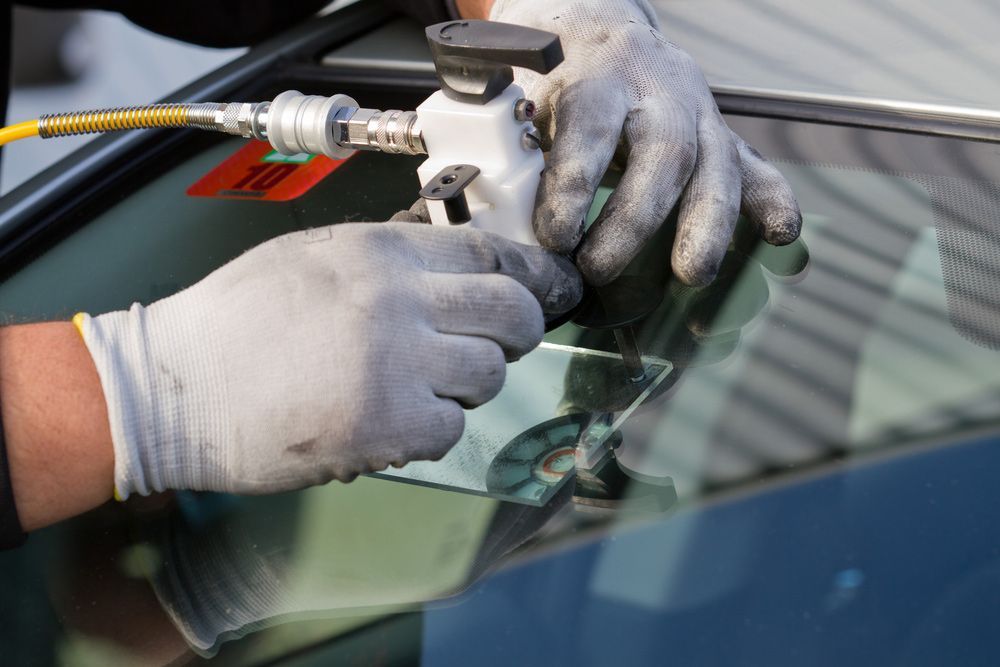
Not every chip or crack requires a full windscreen replacement. Small chips sometimes respond well to professional repair techniques that restore structural strength. However, replacement usually becomes necessary when:
- cracks extend longer than a few centimetres
- damage sits directly in the driver’s line of sight
- multiple chips weaken the glass
- cracks reach the edge of the windscreen
At that stage, repair methods cannot restore the structural strength of the glass. Drivers searching for a windscreen replacement in Caboolture often reach this point after a crack spreads across the glass within days.
Replacing the windscreen restores visibility, structural integrity and the vehicle’s safety systems.
Choosing the Right Windscreen for Long-Term Safety
Selecting a replacement windscreen involves more than comparing prices. Glass quality, installation expertise and safety compliance all influence how the vehicle performs after the repair. Drivers who understand their car glass replacement options can make confident decisions that protect both their vehicle and their passengers.
If your windscreen has cracked beyond repair and you need expert advice about windscreen replacement in Caboolture, our team at Morayfield Autoglass proudly serves Caboolture and the surrounding area. We install high-quality windscreens that meet Australian safety standards and suit the needs of modern vehicles.
Get in touch today to ask about your car glass replacement options and get back on the road with clear, safe glass.